Design innovation consulting

Make the move to strategic CX

Today’s organisations are better equipped to build long-lasting relationships than ever before. To differentiate your customer experience, design a CX strategy around your customers’ unmet needs. Explore how personalisation and accessibility will elevate the customer journey. Get in touch →

Design innovation workshop

What is ‘customer experience’ (CX) design?

User experience research and design (UX) concentrates on user interactions and their experience with a specific product or service. Customer experience design (CX) considers the relationship between your business and your customer: What do they want? How do they feel? What factors may impact their experience? It’s about improving the quality of every customer interaction at every step.

Create transformative and personalised experiences.

Speak with us about your CX goals

What does the CX process look like?

  • First we break down the steps of your customers’ journey, for example, how do they find services? what actually happens when they contact you? what were they expecting?
  • Then we identify common frustrations, behaviours and preferences.
  • Applying research-based insights, we refine the experience for each audience segment. Sometimes this means introducing technology. Other times, it’s rethinking service workflows.
  • Finally, we tune, test and re-test concepts with customers. Incorporating customer feedback into the solution creates an engaging experience that is more likely to encourage advocacy and loyalty.

Common questions about customer experience design

What is customer experience (CX) design?+

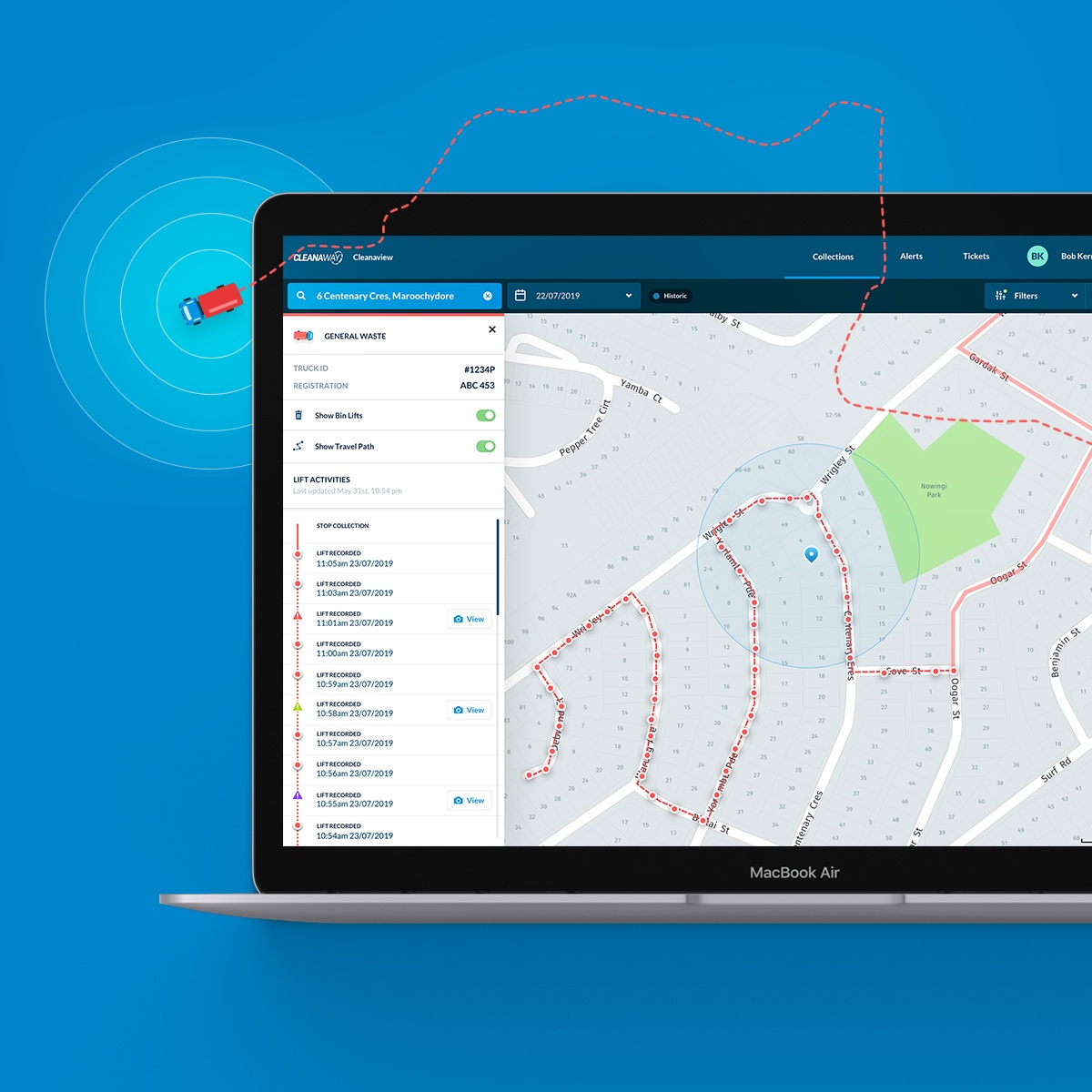
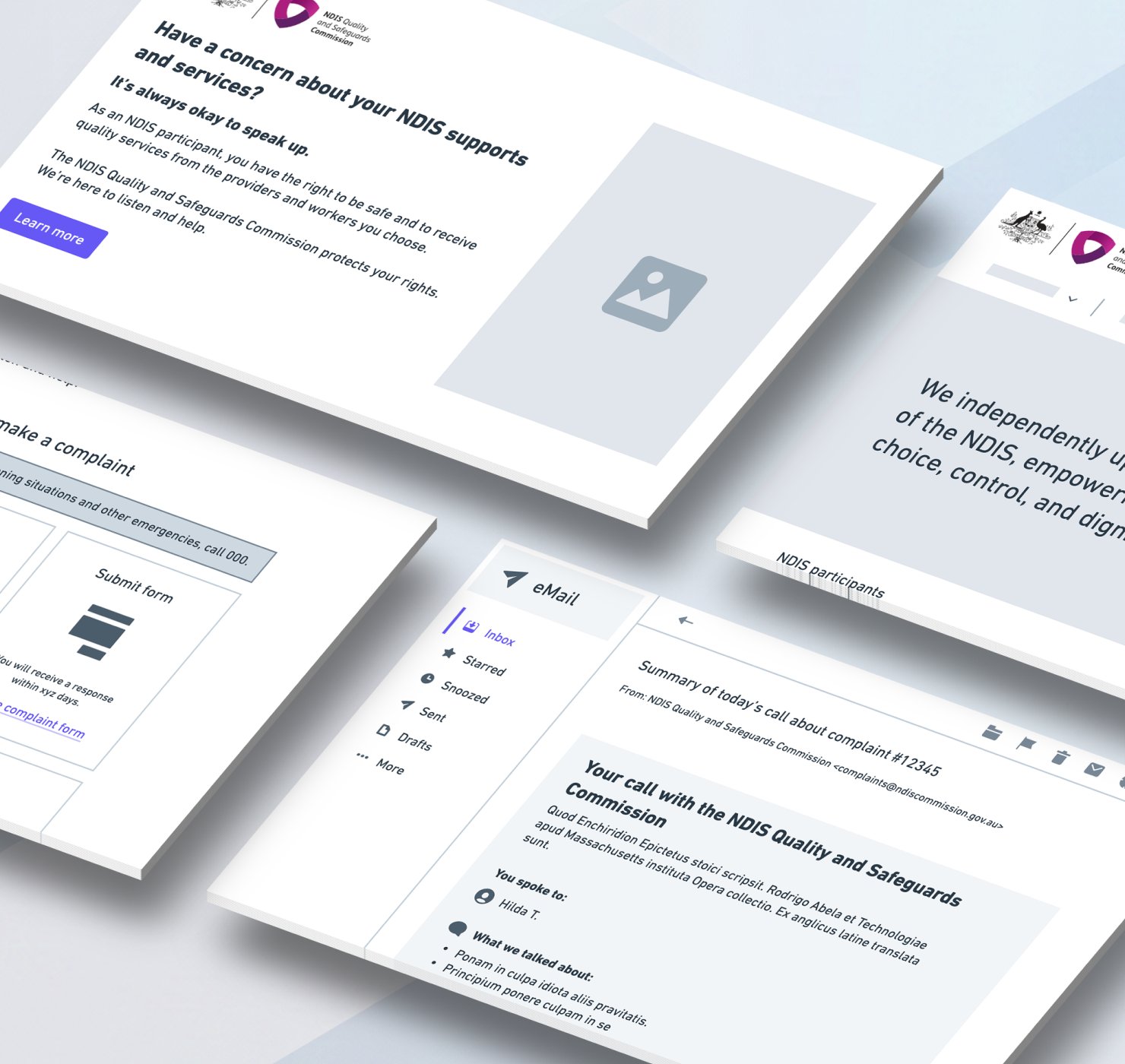
Customer experience (CX) design is the practice of shaping every interaction a customer has with your organisation so the relationship works over time, across channels, products and support. Where UX design focuses on a single product or interface, CX takes the wider view: what customers want, where the experience breaks down, and how the organisation behind it needs to change. Conduct has delivered CX research, strategy and design for Cleanaway, Medibank and the NDIS Quality & Safeguards Commission.

What is the difference between CX and UX design?+

UX (user experience) design shapes how a person uses a single product or interface. CX (customer experience) design shapes the whole relationship: every touchpoint, channel and moment of support a customer encounters, plus the people and systems behind them. UX is one part of CX. At Conduct the same team works across research, CX strategy and UX and UI design, so insight from one informs the other.

What does a customer experience engagement involve?+

Most engagements begin with research: mapping the customer journey, interviewing customers and frontline staff, and finding where the current experience frustrates people. From there we identify the moments that matter most, prioritise them by impact, and design the changes to touchpoints, processes or systems needed to improve them. You leave with journey maps, a prioritised CX roadmap and clear, defined recommendations your team can act on.

How is CX different from service design?+

CX is the customer’s perception of your organisation across every interaction. Service design is the discipline that shapes what produces that perception: the people, processes and infrastructure behind the experience. CX measures and guides; service design rebuilds the underlying service. Conduct delivers both from one team.

Who is customer experience design for?+

CX design suits organisations whose customers interact across multiple channels and over time: government services, health and aged care, utilities, financial services and large enterprises. It matters most where the experience has grown inconsistent as an organisation has scaled. Conduct has worked in these settings since 2008.

How do you measure customer experience?+

We combine qualitative research (customer and staff interviews, journey mapping, usability testing) with the quantitative signals you already hold (support volumes, analytics, satisfaction scores). The point is to connect what customers say with what they do, so the CX roadmap targets the changes that move both satisfaction and operational cost. Cleanaway’s self-service portal is a worked example, replacing 48-hour service response times with first-contact resolution.

Related case studies


Design: Conduct service category illustration

Melbourne HQ

Level 3/88 Jolimont St,
East Melbourne VIC 3002
hello@conducthq.com
1300 368 277

Office hours

Monday – Friday
8:30am – 5:30pm AEST
Closed weekends and
Australian public holidays