Web application support and maintenance
We keep the websites, web applications and digital products we build secure, current and supported, under a service level agreement that holds us to it.
7× Good Design Award winner. Designing, building and supporting since 2008.
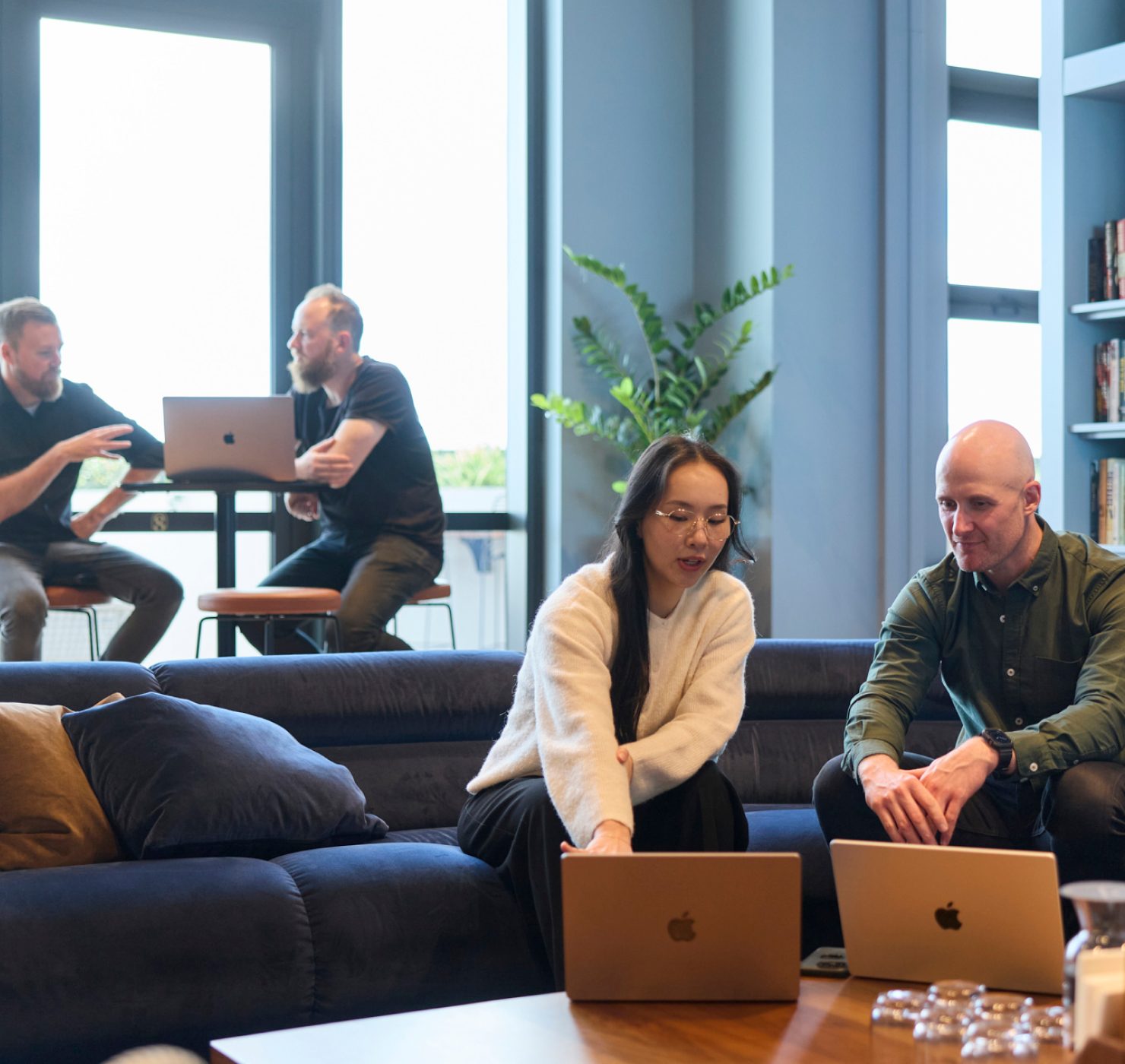
The team that builds it keeps it running
Conduct has designed and built custom web applications, customer portals and digital products since 2008. The same engineering and design team that ships a product is the team that supports it afterwards. That continuity matters. When something needs attention, you reach the team that already knows the architecture, the integrations and the decisions behind them.
Most of the products we support began as builds in our own studio. We also take on well-built systems from other teams, once we have reviewed the codebase and understand what we are taking responsibility for.
We also support and maintain native mobile apps built through our mobile app development practice.

Support shaped around how your product runs
Ongoing support is not one size. A high-traffic public website, a Salesforce-integrated customer portal and an internal business system each carry different risk, release cadence and uptime expectations. We agree a service level that matches yours: response and resolution targets, monitoring, a release process for changes, and a named point of contact who knows your system.
Engagements run as a monthly retainer, so you get a predictable block of senior engineering and design time for planned work, plus a defined response when something unplanned happens. Hours roll into improvements when the lights stay green, so the budget is never wasted on a quiet month.
What ongoing support covers
A support engagement is built from the parts your product actually needs. We agree the scope up front and report against it.
- Security and updatesPatching, dependency updates and vulnerability monitoring
- MonitoringUptime, performance and error tracking with alerting
- Incident responseA defined path to triage, fix and recover
- BAU developmentSmall changes, fixes and new features each month
- Accessibility and complianceOngoing WCAG 2.2 AA upkeep as content changes
- Hosting and recoveryBackups, disaster recovery and infrastructure care
- Release managementTested, reversible deployments on a planned schedule
- SLA reportingClear reporting against the targets we agreed
Keeping the platform current and supportable
Software does not stand still. Frameworks reach end of life, dependencies stop receiving security fixes, and a system that was current at launch needs planned work to stay supportable. Microsoft ends support for .NET 8 in November 2026, for example, which means applications built on it stop receiving security patches after that date. Part of a good support arrangement is seeing these deadlines coming and planning the upgrade before they become an emergency.
We handle framework and platform upgrades, dependency modernisation and migrations off ageing runtimes, either as part of an ongoing engagement or as a defined piece of work for a system someone else built. The goal is a platform that stays secure and supportable for years, on a schedule you control.
Work we support
We support custom platforms, portals and websites across education, energy, automotive and the not-for-profit sector. A sample of the products we have built and continue to support:
Have a system that needs proper support?
Talk to a senior engineerCommon questions about support and maintenance
What does web application support include?+−
Ongoing web application support covers the work that keeps a live product secure and reliable: security patching and dependency updates, uptime and performance monitoring, incident response, business-as-usual development for small changes and new features, accessibility and compliance upkeep, backups and disaster recovery, and reporting against an agreed service level. It is the run phase that follows a build, delivered as a monthly retainer.
How much does ongoing website and application support cost?+−
Support retainers are priced to the size and criticality of the system rather than a flat plan. A small managed website sits well below a high-traffic public platform or a Salesforce-integrated customer portal with strict uptime targets. As a guide, our retainers usually start at A$1,350 a month and scale from there. We size the agreement to your actual risk and release cadence, and we will tell you when a lighter arrangement is all a product needs.
Do you support websites or applications you did not build?+−
Yes. Many of the products we support began as builds in our own studio, but we also take over well-built systems from other teams. We start with a review of the codebase, the infrastructure and the integrations so we understand exactly what we are taking responsibility for before we commit to a service level.
What is a service level agreement for a website or application?+−
A service level agreement, or SLA, sets out the response and resolution targets we commit to: how quickly we acknowledge an issue, how quickly we aim to resolve it by severity, what is monitored, how changes are released, and who your named point of contact is. It turns support from an informal favour into a measurable commitment, with reporting so you can see it is being met.
Can you take over support from our current provider or agency?+−
Yes, and we run a structured handover to do it safely. That means documenting the system, getting access to hosting and code under your ownership, reviewing security and dependencies, and agreeing the service level before we go live as your support team. The aim is a clean transition with no gap in coverage.
Do you help upgrade or modernise older systems?+−
Yes. Framework upgrades, dependency modernisation and migrations off ageing runtimes are part of how we keep a platform supportable. Microsoft ends support for .NET 8 in November 2026, for example, so applications on it will stop receiving security patches after that date. We plan upgrades like these ahead of the deadline, either inside an ongoing retainer or as a defined piece of work for a system someone else built.

Idea, opportunity or problem to solve?
Contact usOffice hours
Monday – Friday8:30am – 5:30pm AEST Closed weekends and
Australian public holidays