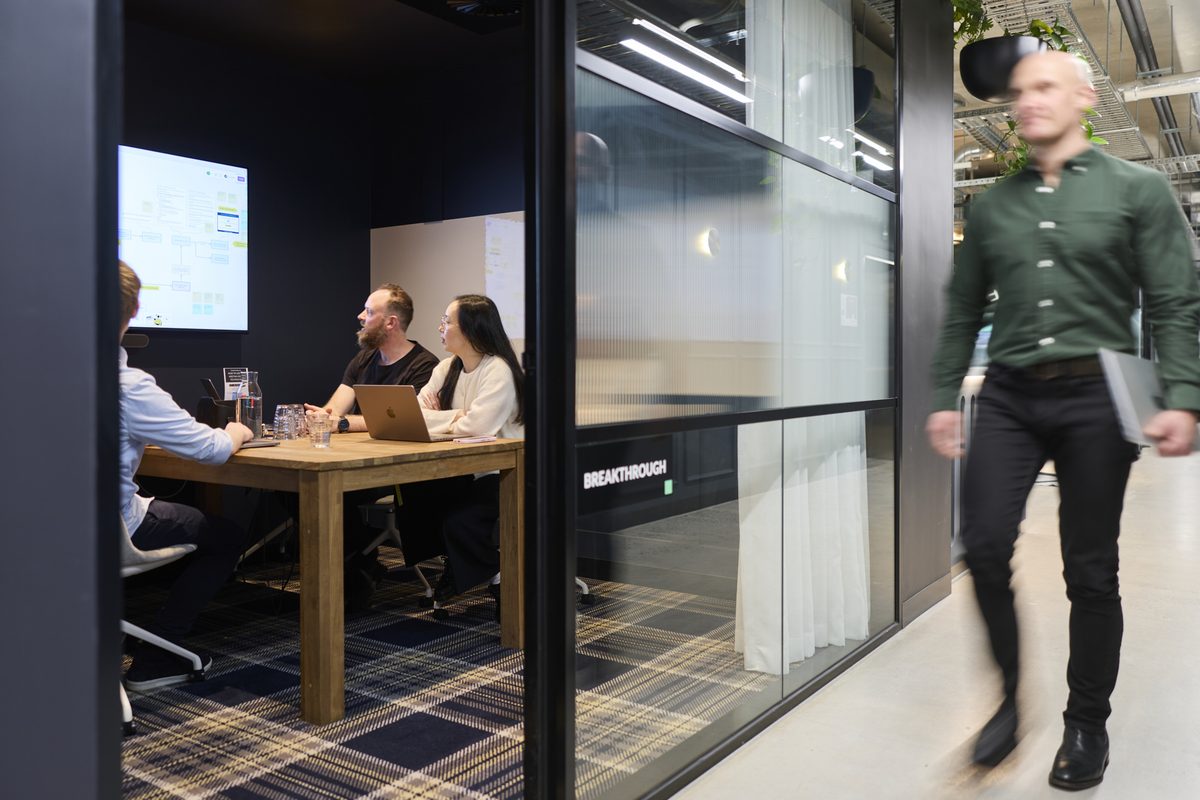
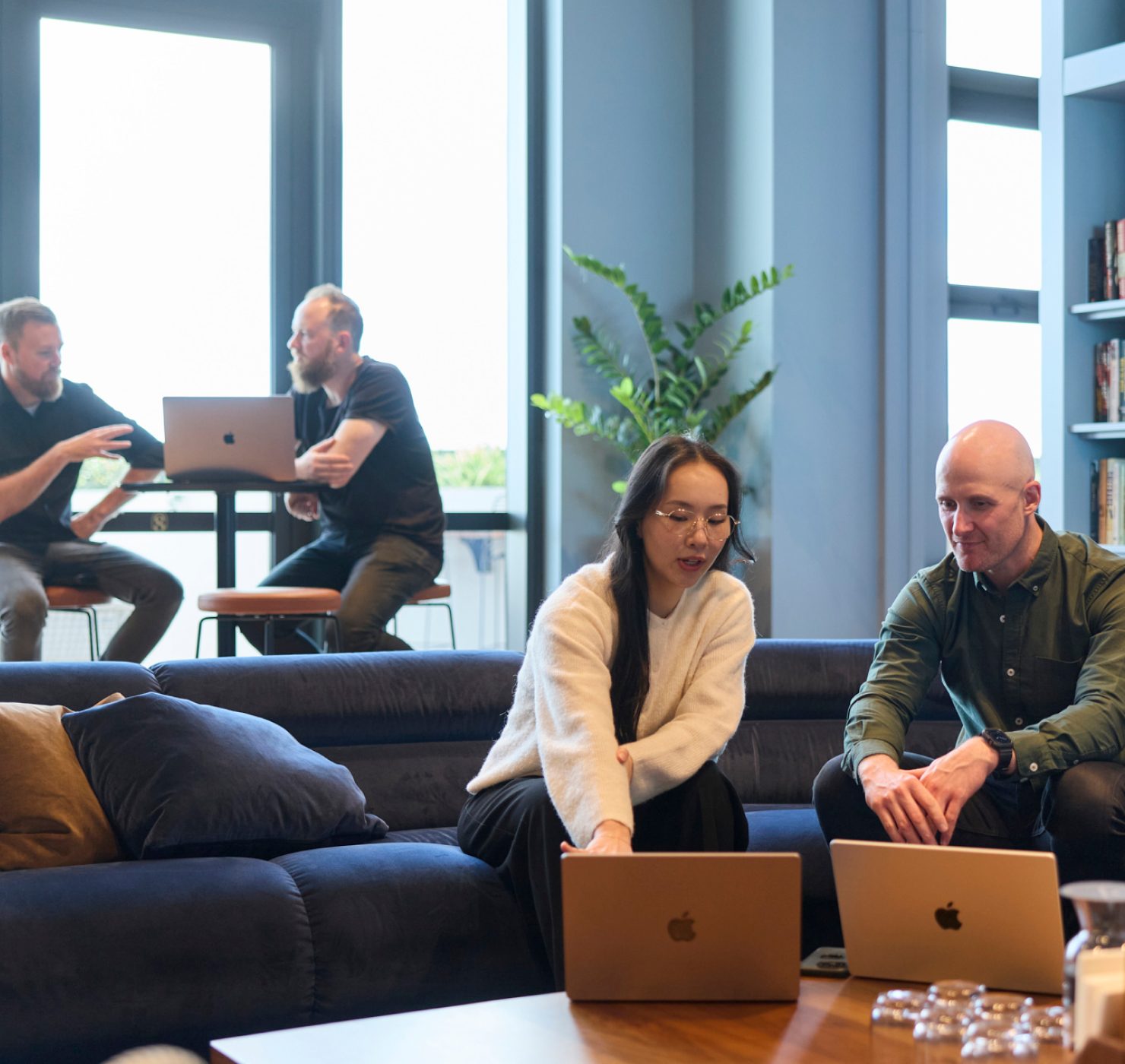
Conduct design studio meeting room with team collaborating

Where website budgets actually go in 2026

For most of the last twenty years, custom website development meant 80% of the budget went to development. Tools were complex, integrations were brittle, and the build was the bottleneck. Design was a deliverable on the way to the build.

That’s flipped. Modern CMS platforms (Webflow’s visual builder, GovCMS, custom Twig themes on WordPress, Drupal 10+) have commoditised the build itself. A competent team can scaffold a complex site in a fortnight that used to take months. The work hasn’t gone away. It’s moved upstream.

The new split is closer to 80% design, 20% build. Design here doesn’t mean visual design. It means everything that has to happen before code earns its keep: research, architecture, content, prototyping, testing, accessibility, SEO, the platform-fit decision itself. Skimp on that and the build is a polished container for the wrong thing.

That’s the lens Conduct applies to every website design and development project we run in Melbourne, whether we’re shipping a new site, a redesign, or a replatform off a tired build.

The work that's worth paying for

If 80% of a website project is design, it’s worth being precise about what design actually covers. On a Conduct project, it’s all of this:

  1. Understanding the people who’ll use the site. User research, stakeholder interviews, audience segmentation. Not personas built from guesswork. Actual conversations with the people the site has to serve.
  2. Information architecture. The structure of the site is a design decision, not a sitemap exported from the old build. How content is grouped, named and surfaced shapes every downstream choice.
  3. Content design. The words, the hierarchy, the call-to-action language. Most agencies treat content as something the client supplies. We treat it as part of the design.
  4. Low and high-fidelity prototypes. Wireframes early, then designed prototypes in Figma. Iteration happens before code, where it’s cheap.
  5. User testing. Real users, real tasks, recorded sessions. We’ve tested prototypes with police officers, hospital clinicians, early-childhood educators, fund managers, contact-centre operators and council operations teams. Patterns surface fast.
  6. Test, learn, measure. Validated iteration. The first prototype is almost never the shipped design. We expect to be wrong about something, and we plan for it.
  7. Technical specification and architecture. Picking the right platform is a design decision, not a sales decision. Defining the integrations (CRM, IDP, payment gateway, membership database) is design work too.
  8. SEO and accessibility, built in. Not bolted on after launch. The IA, the heading structure, the content patterns, the markup choices, the colour palette: all of it carries SEO and WCAG 2.2 implications from the first wireframe.
  9. Marketing strategy. A website nobody finds is a beautiful brochure. We define how the site earns its audience (search, paid, content, partnerships) as part of the design brief, not as someone else’s problem after launch.
  10. Support and maintenance. The site has a longer life after launch than during the build. We plan for it from day one: content workflows, training, performance budgets, ongoing optimisation.

None of this is commoditisable. All of it compounds.

Five platforms. One design practice.

Once the design work is done properly, the platform choice falls out of it. Different briefs land in different places. Conduct is deliberately platform-agnostic. We work across the major CMS platforms in the Australian market, and we’ll tell you when one of them isn’t the right answer.

Webflow

Webflow

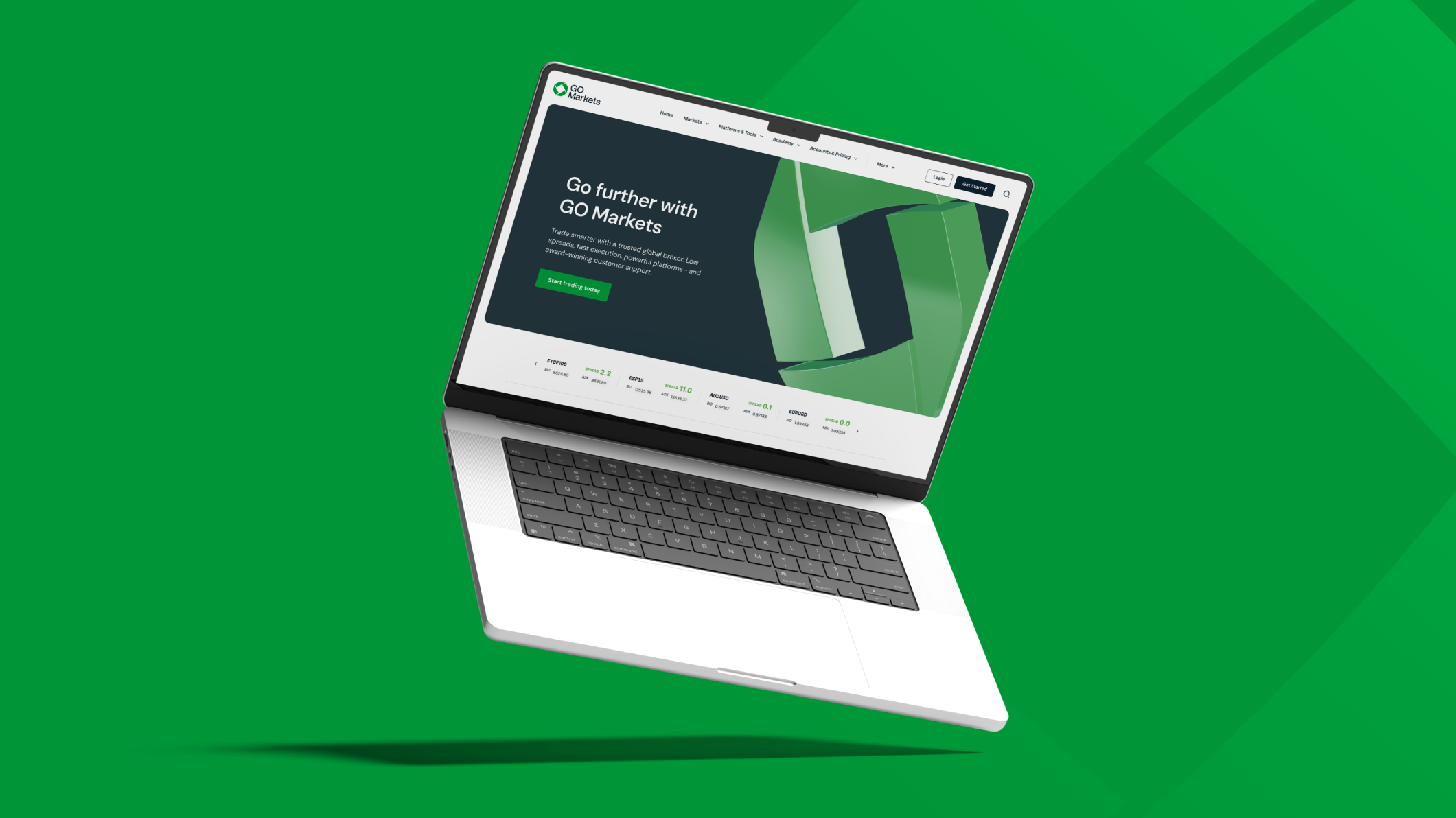
Modern marketing sites, visual build, fast hosting, a CMS your in-house marketers will actually use. As a Melbourne Webflow developer we’ve built sites for fintech firms like Metrics and GO Markets, and we’re particularly suited to brand-led B2B sites, Figma-to-Webflow handover workflows, and teams migrating off a tired WordPress build. Compliant out of the box: Webflow is SOC 2 Type 2 certified, GDPR-ready, and handles hosting, SSL and security patching for you.

WordPress

WordPress

Custom WordPress development built on Timber/Twig themes with ACF Pro, optionally headless via WPGraphQL. This site you’re reading is built on that stack. We don’t build on page-builders (no Elementor, Divi or Bricks). That’s a security position as much as a performance one. A custom theme is harder to compromise, easier to patch and lighter to maintain. Buyers looking for a headless WordPress agency are exactly the right fit.

Drupal

Drupal

For content-heavy enterprise sites, multi-site programs, and strict editorial workflows. As an enterprise Drupal agency, we work the lane that’s about scale and role-based publishing, not visual-build speed. Drupal’s permissions model, hardened core, and rapid security response from the Drupal Security Team make it the right choice when audit trails and compliance posture matter.

GovCMS, built on DrupalGOV

GovCMS

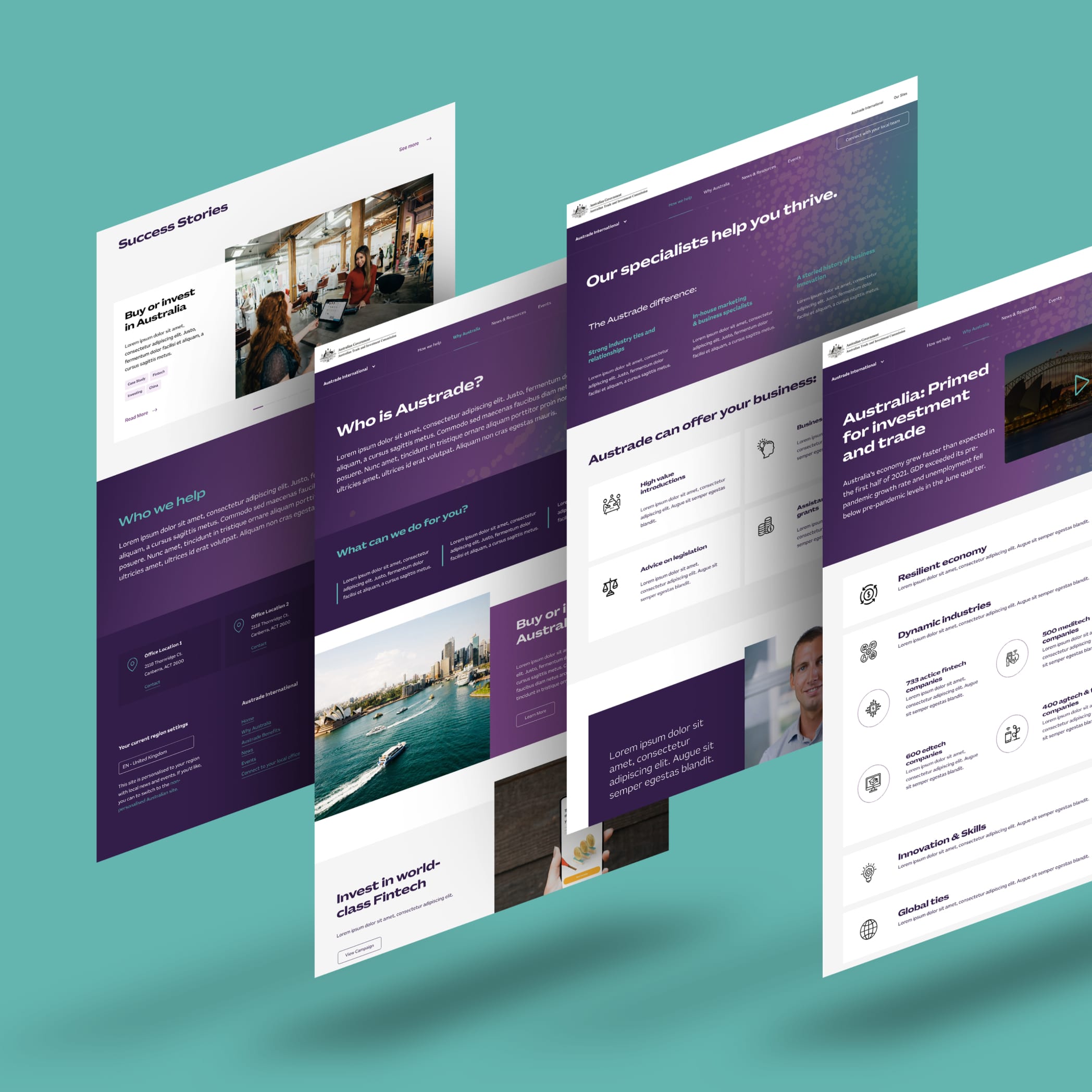
The Australian Government’s mandated Drupal distribution. Conduct is on the GovCMS Drupal Services Panel, currently delivering for the National Reconstruction Fund Corporation and previously for AusTrade. GovCMS ships with IRAP-assessed hosting and inherits Drupal’s security model, which is why it’s the platform of choice for regulated Federal and State government work.

Umbraco

Umbraco

The .NET CMS for organisations already invested in the Microsoft stack. Strong fit for government and enterprise teams running on Azure where Drupal isn’t the obvious answer. Umbraco Cloud is ISO 27001 certified and integrates with Microsoft’s identity stack out of the box, which simplifies enterprise compliance reviews.

Shopify

Shopify

For ecommerce and retail. The newest lane in Conduct’s platform mix. It’s where modern retail websites live, particularly headless setups where Shopify handles the commerce engine and a separate front-end (Webflow or a custom build) handles the brand experience. Shopify is PCI DSS Level 1 compliant and SOC 2 Type 2 certified, which removes a lot of the security overhead from retail launches. If retail or ecommerce is your brief, we’ll be straight about what we’ve shipped and what we’d be building into.

If you’re a B2B website design buyer, a retail brand scoping an ecommerce build, a marketing team looking for a web design company, or a government department starting a custom website project, we’ll tell you honestly whether the platform you have in mind fits the brief. If you don’t have one in mind, the platform choice is something we work out together during design.

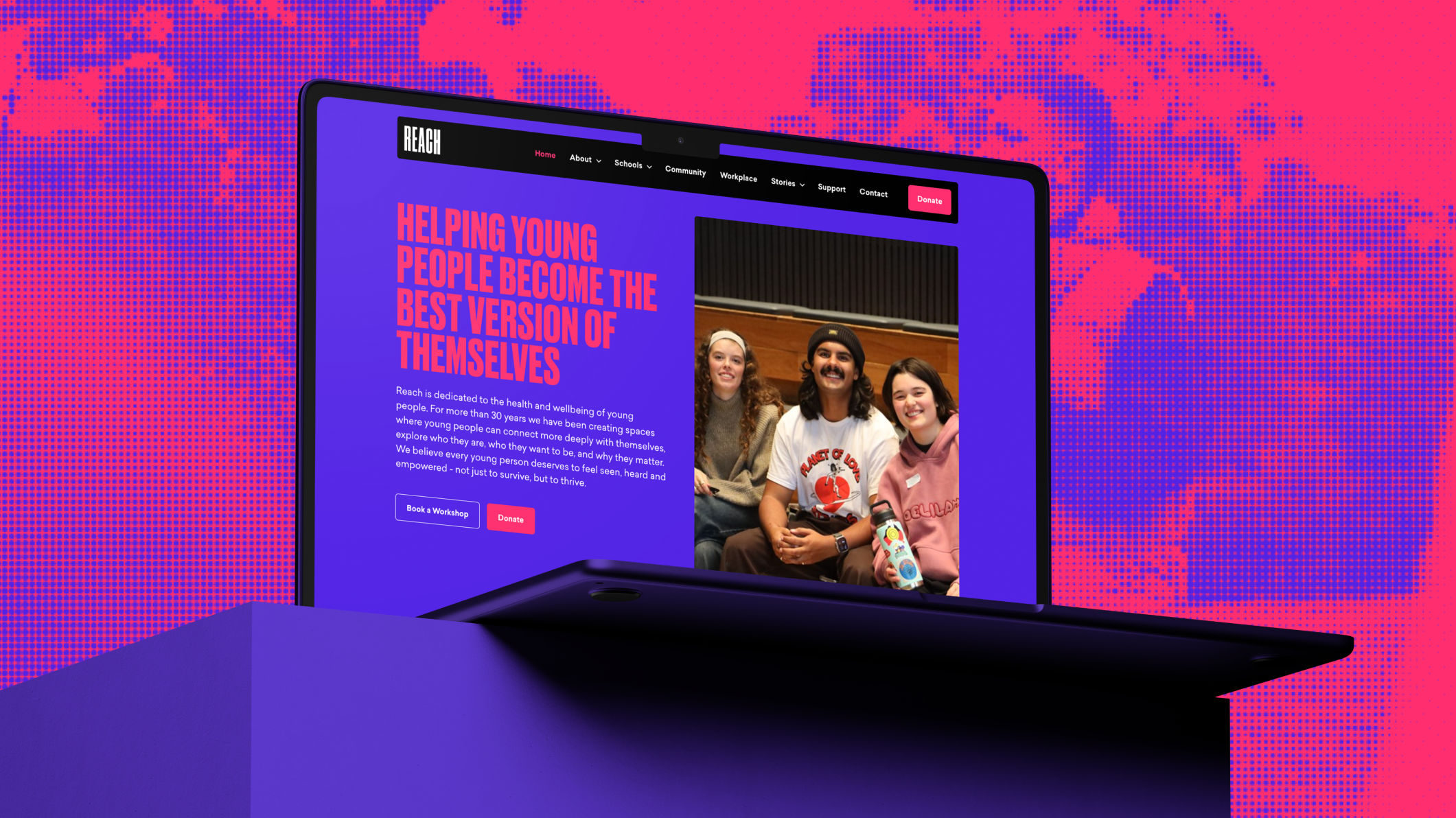
Working with Conduct has been smooth sailing from the get-go. The understanding and articulation of our brief and budget was respected from the start. Through various planning and progress meetings we have worked well to meet our deadline and achieve an outstanding result. The creative guidance and support throughout the process has been appreciated and resulted in a terrific outcome. The site is impactful, easy to navigate and update. Their back-end support leading up to the launch was outstanding and would highly recommend any client building a new site to work with the Conduct team. Robyn Ingerson Reach Foundation
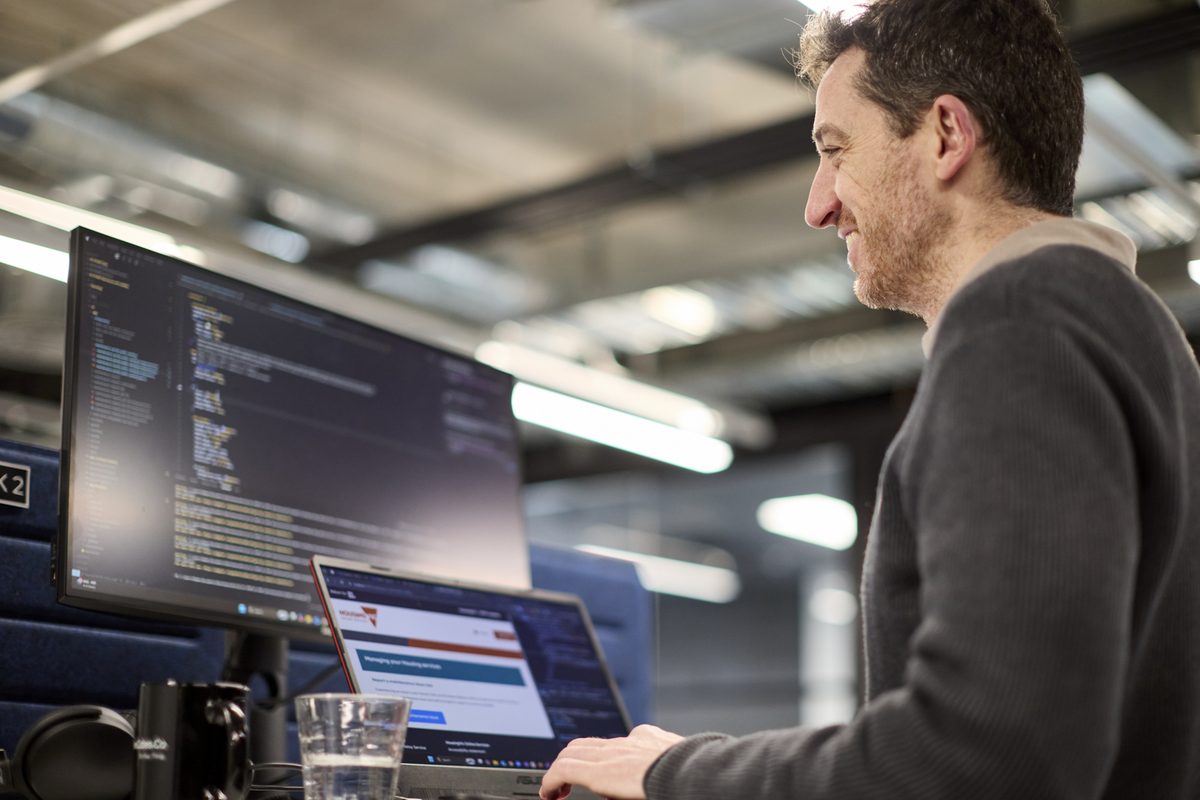
Conduct software developer coding at dual monitor workstation

How a Conduct website project actually runs

Whether you’re commissioning a new site, a website redesign or a replatform off a legacy build, our website design and development process in Melbourne has the same shape. Five phases, none of them optional.

  1. Discover. Stakeholder interviews, user research, content audit, technical audit of any existing site. We come out with a clear brief, a content model, and a defensible platform recommendation. Two to six weeks depending on scope.
  2. Design. Information architecture, content design, low and high-fidelity prototypes, accessibility and SEO worked in from the first wireframe. Validated with real users where the stakes warrant it. This is where most of the budget lives.
  3. Build. Custom website development on the chosen platform. Content migration, third-party integrations, WCAG 2.2 compliance baked in. Our accessibility work for DHHS set the standard we apply to every site we ship.
  4. Test. Most agencies treat QA as a checkbox before launch. We come from a strict software engineering background where testing is a discipline, not a phase. Every Conduct project ships with a written test strategy, documented test cases, repeatable test scripts, and regression coverage that lasts the life of the site. That’s how you keep releasing changes without breaking what already works. The patch-on-Friday-see-what-breaks-Monday approach isn’t ours.
  5. Support. Training for your content team, performance monitoring, ongoing optimisation. Most enterprise clients stay on a retainer. We don’t ship-and-disappear.

Typical Phase 1 timelines: a focused Webflow or Shopify site lands in eight to fourteen weeks. A custom WordPress, Drupal, GovCMS or Umbraco enterprise build runs sixteen to thirty-two weeks depending on integrations and stakeholder count. Multi-site programs and complex ecommerce builds run longer.

Talk to a Conduct web team about your website project. Melbourne primary, Australia-wide delivery.

Get in touch

Industries we service include, but are not limited to:

Frequently asked questions about website design and development in Melbourne

What does a custom website actually cost in Australia?+

A focused Webflow marketing site typically lands between AUD $30,000 and $80,000. A custom WordPress, Drupal or GovCMS enterprise build runs from $60,000 to over $200,000 depending on integrations and content scale. Multi-site programs run higher again. The variation comes mostly from design depth: research, IA, content, prototyping and testing. Not from the build itself. See our software development cost guide for a fuller breakdown.

How do you choose between Webflow, WordPress, Drupal, GovCMS, Umbraco and Shopify?+

Platform choice falls out of design, not the other way around. We look at editorial workflow (how many people publish, how often, with what approval steps), content scale, integration stack, accessibility obligations, ecommerce requirements and hosting. Webflow wins for marketing speed; Drupal and GovCMS win for content scale and government compliance; custom WordPress wins when you need a real CMS without page-builder bloat; Umbraco fits .NET-aligned teams already on Azure; Shopify wins for ecommerce and retail, often headless behind a Webflow or custom front-end.

Why is 80% of the budget in design now?+

Modern CMS platforms have commoditised the build itself. What used to take senior engineers months (scaffolding a custom site, wiring up content management, handling integrations) now lands in weeks on Webflow, GovCMS, or a custom Twig theme. The complexity moved upstream. Designing the right site costs more than building it; building the wrong site fast just gets you the wrong site faster.

Do you do WordPress migrations?+

Yes. Common paths: page-builder WordPress (Elementor, Divi, Bricks) rebuilt on a custom Timber/Twig theme; legacy WordPress moved to Webflow for a marketing-led site; older WordPress versions upgraded to current with content migration; or WordPress to headless WordPress with WPGraphQL when front-end performance matters more than full-stack convenience.

Are your websites accessible (WCAG 2.2)?+

Yes. Accessibility is baked in from the first wireframe, not bolted on at QA. The IA, heading structure, colour palette, focus order, content patterns and ARIA usage are all design decisions. Our accessibility work for the Department of Health and Human Services set the standard we apply to every site we ship.

Are your websites secure?+

Yes. Platform security comes built in: Webflow is SOC 2 Type 2 certified, Shopify is PCI DSS Level 1, Umbraco Cloud is ISO 27001, and GovCMS inherits IRAP-assessed hosting for regulated government work. Beyond the platform, we apply security as a design discipline: dependency hygiene, principle-of-least-privilege content roles, hardened HTTP headers, ongoing patch cadence, and 2FA across all admin accounts. WordPress sites in particular get a custom Timber/Twig theme rather than a page-builder, which reduces attack surface and ongoing patching overhead.

How long does a custom website build take?+

A focused Webflow or Shopify site typically lands in eight to fourteen weeks. A custom WordPress, Drupal, GovCMS or Umbraco enterprise build runs sixteen to thirty-two weeks. Multi-site programs, complex ecommerce builds and migrations from legacy stacks run longer. Most of the variation is in discovery and design. The build itself is the fastest phase once the design is locked.

Do you offer ongoing maintenance after launch?+

Yes. Most enterprise clients stay on a retainer. We run ongoing development, performance monitoring, security patching, content workflow support and post-launch optimisation. This very site is one of our long-running maintenance engagements. We don’t ship-and-disappear.

Where are you based?+

Melbourne primary, Australia-wide delivery. Our entire team is Australia-based. No overseas handoffs, no offshore delivery. Where the work demands it (Sydney-based stakeholders, on-site research sessions, regional travel) we travel.

Do you do website redesigns and replatforms?+

Yes. Most Conduct website projects are rebuilds or replatforms, not greenfield. Common paths: page-builder to custom theme, WordPress to Webflow, legacy Drupal to GovCMS, Sitecore to Umbraco, WooCommerce or Magento to Shopify. The redesign starts with an audit of what’s working on the current site and what isn’t, then the same four-phase process we’d use for a new build.

Do you do B2B website design?+

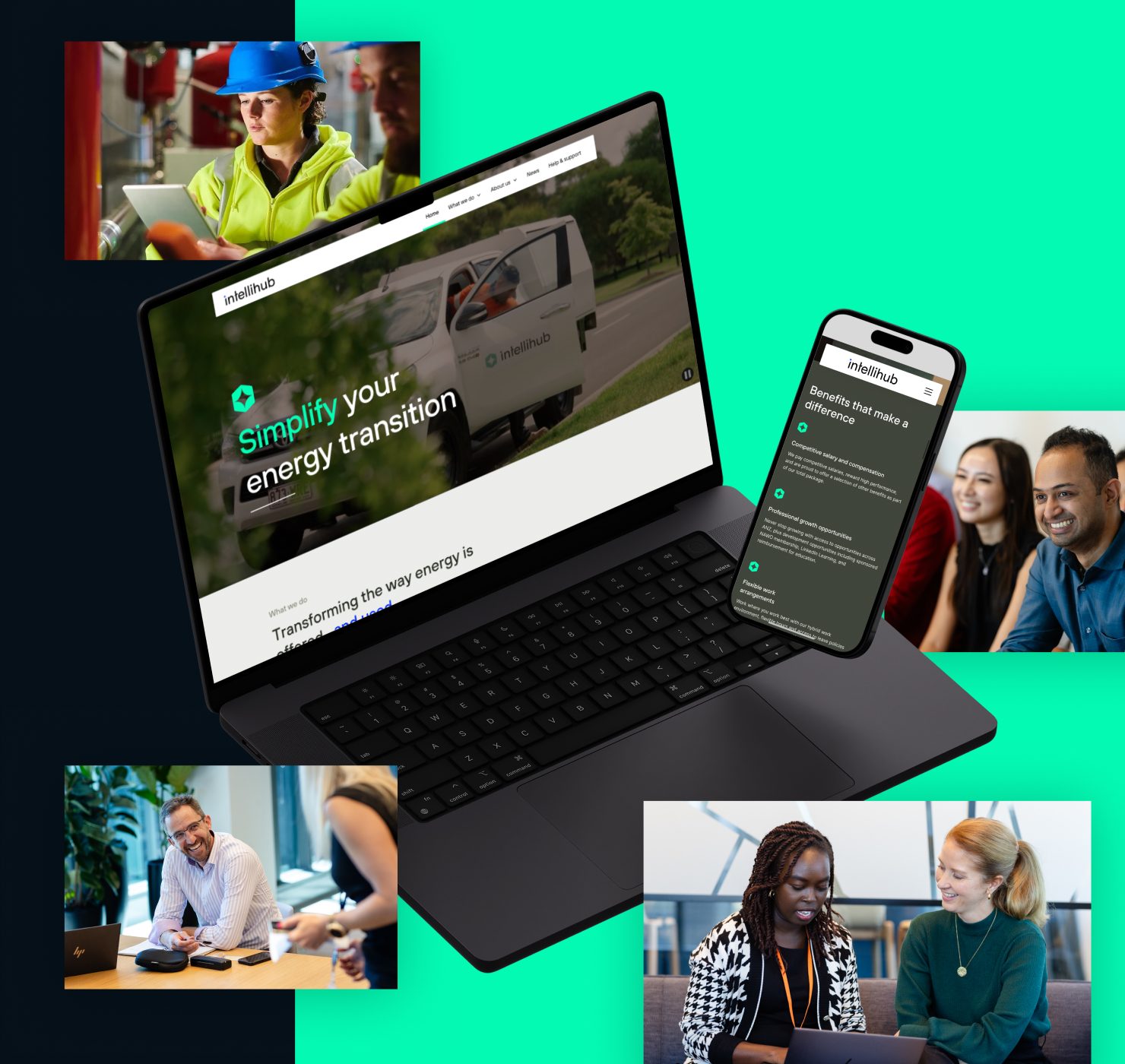
Yes. Conduct’s B2B web design experience spans utilities (IntelliHub, Cleanaway), insurance (Assurant) and fintech (Metrics, GO Markets). B2B sites have a different shape from consumer marketing sites: long sales cycles, multiple stakeholder approvals, and content that has to satisfy procurement and end-users at once. We design around that.

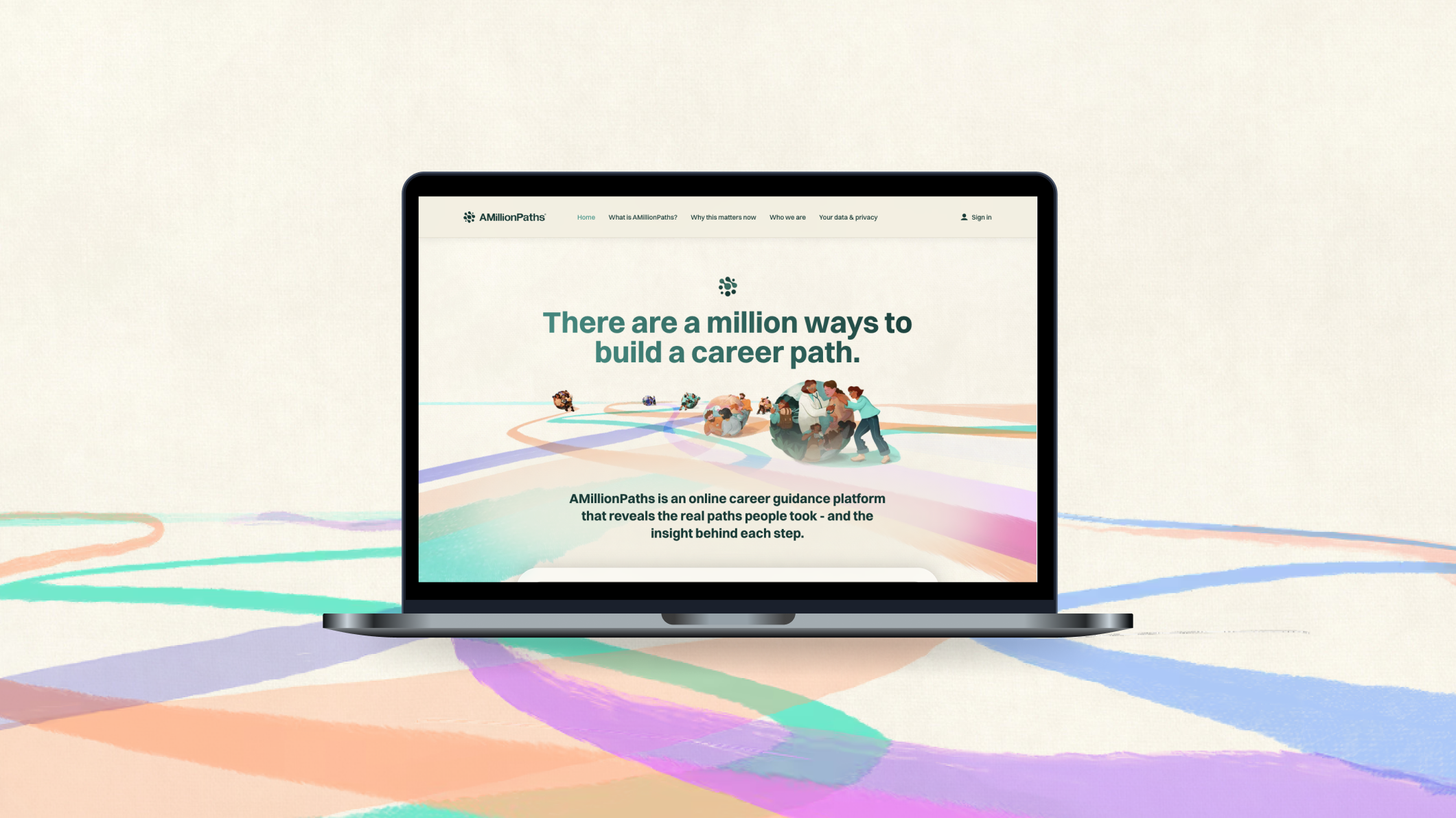
Related case studies


Design: Conduct service category illustration

Services We Offer Australia-wide include:

App Development

Software Development

UX & UI Design

Melbourne HQ

Level 3/88 Jolimont St,
East Melbourne VIC 3002
hello@conducthq.com
1300 368 277

Office hours

Monday – Friday
8:30am – 5:30pm AEST
Closed weekends and
Australian public holidays